Electric Motor Brake: Types, Working, Uses & Selection Guide
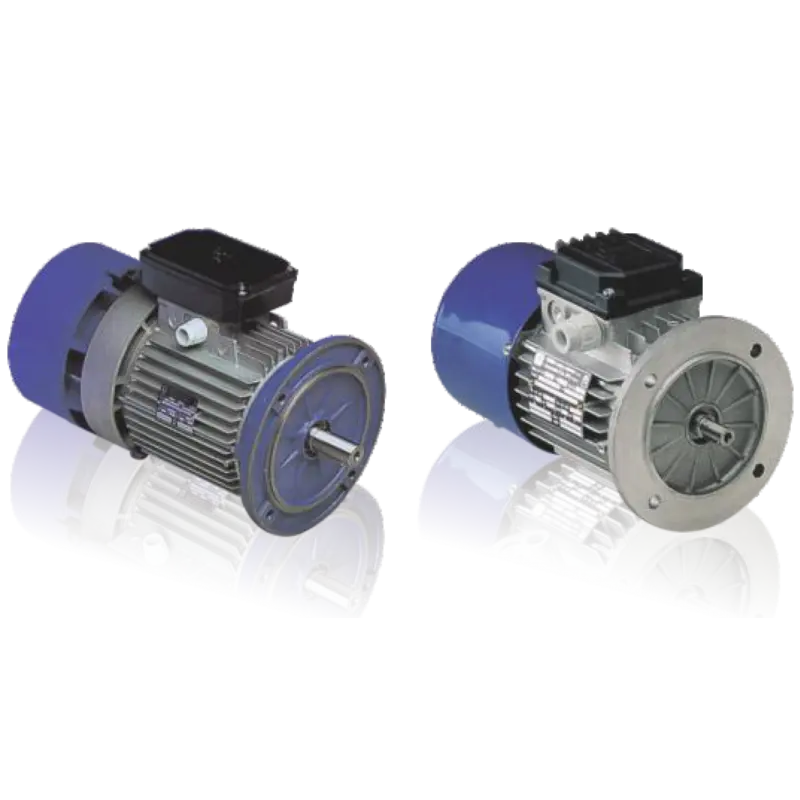
An electric motor brake is a braking system that quickly stops a motor and helps hold the load safely when the motor is switched off. Electric motor brakes are commonly used in cranes, hoists, conveyors, elevators, machine tools, and other industrial equipment where controlled stopping and load holding are important.
In this guide, we explain what an electric motor brake is, how a brake motor works, the main types of brake systems, their components, applications, benefits, maintenance requirements and the key factors to consider when selecting a brake motor.
Quick answer: An electric motor brake is a mechanical braking system used to stop or hold a motor shaft and its connected load. A brake motor combines an electric motor with an integrated or directly coupled brake to provide controlled stopping and load holding.
What Is an Electric Motor Brake?
An electric motor brake is a device that applies braking torque to a motor shaft to slow, stop or hold rotating equipment. Unlike a standard electric motor, which is primarily designed to produce rotation, a brake motor is designed to provide both motor-driven motion and controlled stopping.
Electric motor brakes are particularly useful when machinery must stop quickly, repeatedly or at a specific position. They can also help hold a stationary load when the motor is no longer producing torque.
In many industrial brake motor designs, the brake is mounted directly to the motor. A spring-applied electromagnetic brake is one common arrangement: electrical energy releases the brake so the motor can rotate, while removal of power allows the mechanical braking mechanism to engage. Actual brake construction and control arrangements vary by motor and brake design.
If you are looking for an industrial brake motor for a specific application, you can also explore
Nextork’s Brake Motors
range.
Is an Electric Motor Brake the Same as a Brake Motor?
The terms electric motor brake, motor brake and brake motor are often used interchangeably in industrial discussions, but they can describe slightly different things.
- Electric motor brake: Refers primarily to the braking mechanism used to stop or hold a motor-driven load.
- Brake motor: Generally refers to an electric motor supplied with an integrated or directly coupled braking system.
- Electric brake motor: A commonly used term for a motor-and-brake combination used for controlled stopping and holding.
- Motor brake: A shorter term often used to describe the braking system associated with an electric motor.
In practice, the exact brake arrangement depends on the motor construction, brake type, application and control system.
How Does an Electric Motor Brake Work?
The operating principle of an electric motor brake depends on its design. A common industrial arrangement uses an electromagnetic coil together with mechanical springs and friction surfaces.
- Motor starts: The brake is released and the motor shaft is allowed to rotate.
- Brake is released: Electrical energy energizes the brake coil, creating a magnetic field that moves the armature away from the friction surface.
- Motor is switched off or braking is commanded: The brake release circuit is de-energized according to the control arrangement.
- Brake engages: The mechanical braking force brings the friction surfaces together and produces braking torque.
- Motor shaft stops or holds: The brake slows the rotating shaft and can hold the connected load when the required brake torque is available.
Spring-set electromagnetic brakes are commonly designed so that the brake applies when electrical power to the brake coil is removed. This arrangement can provide load holding during a loss of electrical power, subject to the specific brake design and application requirements.
Important: Braking performance is determined by factors such as brake torque, load inertia, motor speed, stopping time, duty cycle and the mechanical arrangement of the driven equipment. A brake should therefore be selected according to the complete application rather than motor power alone.
Types of Electric Motor Brakes
Electric motor brakes can be classified in several ways, including by their mechanical operating principle, electrical actuation and fail-safe behavior. AC and DC describe how the brake coil is supplied or controlled, while terms such as spring-applied or fail-safe describe how the brake behaves when power is removed.
1. Electromagnetic Brake Motors
Electromagnetic brake motors use an electrically controlled brake mechanism to engage and release braking force. A coil generates magnetic force to release the brake, while the mechanical brake mechanism applies braking torque when the release force is removed.
These systems are widely used in industrial machinery requiring repeatable stopping and load holding.
2. Spring-Applied or Fail-Safe Brake Motors
A spring-applied brake uses mechanical springs to apply braking force. Electrical power is used to release the brake. When power to the brake release mechanism is removed, the springs apply the brake.
This operating principle is useful in applications where the equipment needs to stop or hold a load when electrical power is interrupted. Common applications include material handling, hoists and other machinery where load holding is an important requirement.
3. AC Brake Systems
In an AC brake arrangement, the brake coil is supplied using an AC electrical supply or an appropriate control arrangement. The exact electrical configuration varies by motor and brake design.
AC brake systems are used in a wide range of industrial equipment where the electrical supply and brake characteristics are compatible with the application.
4. DC Brake Systems
DC brake systems use a DC supply to operate the brake coil. In some motor configurations, a rectifier is used to convert an available AC supply to DC for the brake.
DC brake arrangements are available in a range of industrial brake motor designs and can be suitable for applications requiring specific response, control or integration characteristics.
Electric Motor Brake Types Compared
| Brake type / description | Operating principle | Key characteristic | Typical applications |
|---|---|---|---|
| Electromagnetic brake | Electrical control is used to release or engage the braking mechanism. | Controlled stopping and holding | Industrial machinery, conveyors, material handling |
| Spring-applied brake | Springs provide the braking force while electrical power releases the brake. | Can provide braking when power is removed | Hoists, cranes, conveyors and load-holding equipment |
| AC brake arrangement | Brake coil is operated using an AC electrical arrangement. | Suitable where the electrical/control arrangement matches the application | General industrial machinery |
| DC brake arrangement | Brake coil is operated using DC power, sometimes through a rectifier. | Flexible electrical integration depending on the design | Automation, conveyors, machinery and other industrial systems |
Electric Motor Brake Parts and Components
Understanding the main electric motor brake parts makes it easier to understand how the braking system operates and what may require inspection or replacement over time.
Brake Coil
The brake coil creates the electromagnetic force used to release the brake in many electromagnetic brake designs.
Armature Plate
The armature is a movable component that responds to the magnetic force generated by the brake coil and changes the position of the braking surfaces.
Friction Disc or Brake Lining
The friction surface is responsible for generating braking torque when the brake is applied. Wear of the friction material can affect brake performance and should be monitored according to the manufacturer’s maintenance requirements.
Springs
In spring-applied brake designs, springs generate the mechanical force required to apply the brake.
Hub
The hub connects the friction disc or rotating brake component to the motor shaft or associated rotating assembly.
Manual Release
Some brake motors include a manual release mechanism that allows the brake to be disengaged for maintenance, setup or controlled movement of equipment. Manual release arrangements should only be operated according to the manufacturer’s instructions and the application’s safety procedures.
Brake Motor vs Standard Electric Motor
A standard electric motor is primarily designed to generate rotary motion. A brake motor combines motor operation with a dedicated braking mechanism to provide controlled stopping and, depending on the brake design, load holding.
| Feature | Standard electric motor | Brake motor |
|---|---|---|
| Produces rotary motion | Yes | Yes |
| Integrated braking mechanism | Normally no | Yes, depending on design |
| Controlled stopping | May require an external braking system | Provided through the integrated or coupled brake |
| Load holding after power removal | Not normally provided by the motor alone | Can be provided when the brake is designed for load holding |
| Typical use | General rotary applications | Applications requiring stopping, positioning or holding |
Brake Motor Mounting Types
The mounting arrangement of a brake motor must match the machine frame, shaft arrangement and available installation space.
- Foot-mounted: The motor is installed using mounting feet secured to a machine base or frame.
- Flange-mounted: The motor is attached to the driven machine using a flange arrangement.
- Face-mounted: The motor is mounted through the face or end of the motor housing according to the applicable motor design.
- Foot-and-flange mounted: Some motor designs combine foot and flange mounting for greater installation flexibility.
Motor mounting standards and dimensions vary by manufacturer and motor series, so always confirm the required mounting arrangement before selecting or replacing a brake motor.
Electric Motor Brake Applications
Brake motors are used wherever machinery needs controlled stopping, positioning or load holding. The correct brake depends on the motor, load, operating cycle and safety requirements of the equipment.
1. Cranes and Hoists
Brake motors are widely used in lifting and material-handling equipment where controlled stopping and load holding are important. The brake must be appropriately rated for the load, speed, duty cycle and lifting mechanism.
2. Conveyor Systems
Conveyor systems may require controlled stopping to prevent products from continuing to move after the motor is switched off. A brake can help improve positioning and reduce unwanted coasting.
3. Packaging Machinery
Packaging equipment often performs repeated start-stop cycles. A suitable brake motor can support controlled stopping and positioning where the machine design requires it.
4. Machine Tools
Machine tools may require rapid or controlled stopping of rotating components. Brake motors can be used where the motor and braking requirements are compatible with the machine design.
5. Automated Machinery
Automated equipment can use brake motors when repeatable stopping and positioning are important to the production process.
6. Material Handling Equipment
Material handling systems frequently require controlled acceleration, stopping and holding. Brake motors can be incorporated into conveyors, lifting systems and other material-handling equipment.
7. Printing and Processing Machinery
Machinery involving rotating rollers, drums or other driven components may use braking systems to improve stopping control and positioning.
Benefits of Using Electric Motor Brakes
The main advantage of a brake motor is that it combines motor-driven movement with a dedicated braking function. Depending on the application and brake design, this can provide several practical benefits.
- Controlled stopping: Helps stop rotating equipment when the process requires controlled deceleration or positioning.
- Load holding: Appropriate brake designs can hold a stationary load after motor power is removed.
- Reduced coasting: A brake can reduce unwanted movement caused by inertia after the motor is switched off.
- Improved positioning: Controlled stopping can help equipment stop at a desired position.
- Compact machine design: An integrated brake motor can reduce the need for a separate braking arrangement in some applications.
- Application flexibility: Brake motors are available in different motor powers, mounting configurations and brake arrangements.
- Potentially reduced mechanical complexity: Integrating the brake with the motor can simplify certain machine designs.
How to Choose the Right Electric Motor Brake
Selecting an electric motor brake should begin with the requirements of the complete machine rather than motor power alone. The brake must provide sufficient braking performance for the load, speed and operating cycle while fitting the available electrical and mechanical configuration.
1. Motor Power
Start with the motor’s rated power, but do not use motor horsepower or kilowatts as the only brake-selection parameter. Brake torque and application conditions are equally important.
2. Required Braking Torque
Determine the torque required to stop and, where applicable, hold the load. The required value depends on factors such as load torque, inertia, speed and the desired stopping behavior.
3. Load Inertia
A rotating load with significant inertia requires more braking effort than a light load. Consider the complete rotating system, including shafts, couplings, gearboxes, rollers and driven equipment.
4. Required Stopping Time
Determine how quickly the machine needs to stop. A shorter stopping time generally requires greater braking performance and may affect thermal loading and brake selection.
5. Duty Cycle
Consider how frequently the brake will operate. A brake used occasionally may have very different thermal requirements from a brake that engages repeatedly throughout a production cycle.
6. Motor Speed
Motor speed affects the kinetic energy that must be dissipated during braking. Confirm the permitted operating speed and braking characteristics with the motor and brake manufacturer.
7. Mounting Configuration
Confirm whether the application requires foot mounting, flange mounting, face mounting or another configuration. Shaft dimensions and motor frame size must also be compatible with the machine.
8. Electrical Supply
Check the required motor and brake voltage, frequency and control arrangement. If a rectifier or separate brake control is required, confirm that the complete electrical system is compatible.
9. Operating Environment
Consider dust, moisture, temperature, vibration and other environmental conditions. The enclosure and protection requirements should match the actual operating environment.
10. Load-Holding and Safety Requirements
If the brake needs to hold a load when electrical power is removed, confirm that the selected brake is specifically designed and rated for that requirement. Applications involving suspended or safety-critical loads require appropriate engineering and compliance with applicable safety requirements.
11. Maintenance and Replacement Requirements
Consider the availability of replacement brake components, service support and technical documentation. These factors can affect the long-term maintainability of the equipment.
Electric Motor Brake Selection Checklist
| Parameter | What to check |
|---|---|
| Motor power | Required motor output in kW or HP |
| Brake torque | Torque required to stop and/or hold the load |
| Load inertia | Rotating mass and inertia of the complete driven system |
| Stopping time | Required time or distance for stopping |
| Duty cycle | Number and frequency of braking operations |
| Speed | Motor operating speed and braking speed |
| Mounting | Foot, flange, face or other required mounting arrangement |
| Electrical supply | Motor and brake voltage, frequency and control requirements |
| Environment | Temperature, moisture, dust, vibration and enclosure requirements |
| Load holding | Whether the brake must hold the load when motor power is removed |
Electric Motor Brake Maintenance
Regular inspection helps identify wear and operating problems before they affect machine performance. Maintenance intervals should always follow the motor and brake manufacturer’s instructions and the actual operating conditions of the equipment.
Inspect the Friction Surface
Check the friction material for excessive wear, contamination, damage or other signs that could affect braking performance.
Check the Brake Air Gap
Where applicable, verify that the brake air gap is within the manufacturer’s specified range. An incorrect air gap can affect brake release and engagement.
Inspect Springs and Mechanical Components
Check springs, fasteners, armature components and other mechanical parts for damage, wear or abnormal movement.
Check the Brake Coil
Electrical checks should confirm that the brake coil and control circuit operate within the manufacturer’s specifications.
Watch for Changes in Stopping Performance
Longer stopping times, unusual noise, overheating, slipping or inconsistent braking can indicate a problem that requires inspection.
Follow Manufacturer Instructions
Brake construction varies between manufacturers and models. Always follow the manufacturer’s maintenance, adjustment, replacement and safety procedures for the specific brake motor.
How to Choose an Electric Motor Brake Supplier
Selecting the right supplier is about more than simply finding a motor with the required power rating. A suitable supplier should be able to understand the complete application and help match the motor, brake, mounting arrangement and operating requirements.
When evaluating an electric motor brake supplier, consider:
- Product range: Check whether the supplier can provide the required motor power, frame size, brake arrangement and mounting configuration.
- Application support: A supplier should be able to understand your operating conditions and help identify relevant specifications.
- Technical documentation: Datasheets, dimensional drawings and electrical information are important for proper selection and installation.
- Replacement parts: Check the availability of brake components and replacement parts required for long-term maintenance.
- After-sales support: Technical assistance can be valuable when commissioning, troubleshooting or replacing a brake motor.
- Application-specific solutions: Some installations require a specific mounting, torque, voltage or environmental configuration rather than a standard motor.
Nextork supplies industrial motors and transmission products for a range of applications. If you know the motor power, speed, mounting arrangement and application requirements, you can
contact the Nextork team
to discuss the appropriate brake motor configuration.
You can also explore the
Brake Motors
range for more information about available solutions.
Related Industrial Motor Solutions
Brake motors are often selected as part of a larger motor and transmission system. Depending on the application, related motor technologies may also be relevant.
- Brake Motors – for applications requiring controlled stopping and load holding.
- Crane Duty Motors – for crane and material-handling applications where appropriate.
- DC Motors – for applications requiring DC motor technology.
- Flame Proof Motors – for applications with specific hazardous-area requirements.
- Slip Ring Motors Guide – for applications where slip ring motor technology is being evaluated.
Frequently Asked Questions About Electric Motor Brakes
What is an electric motor brake?
An electric motor brake is a braking mechanism used to slow, stop or hold a motor shaft and its connected load. Brake motors combine an electric motor with a braking system for applications requiring controlled stopping or holding.
What is a brake motor?
A brake motor is an electric motor equipped with an integrated or directly coupled braking system. It is commonly used where machinery needs controlled stopping, positioning or load holding.
How does an electric brake motor work?
In a common electromagnetic spring-applied design, electrical power energizes a brake coil to release the brake. When the brake release circuit is de-energized, mechanical springs apply the braking force and create torque at the motor shaft.
What is the difference between a brake motor and a normal motor?
A standard motor is primarily designed to produce rotation. A brake motor combines motor operation with a braking mechanism that can provide controlled stopping and, where appropriately designed, load holding.
What is a fail-safe brake motor?
A fail-safe brake motor generally uses a brake arrangement designed to apply braking force when the electrical release power is removed. This can provide load holding during a loss of electrical power, subject to the brake design and application requirements.
What is the difference between AC and DC brake motors?
AC and DC describe the electrical supply or control arrangement used for the brake coil. An AC brake uses an AC electrical arrangement, while a DC brake uses DC power, sometimes supplied through a rectifier. The appropriate arrangement depends on the motor, brake and control system.
Where are brake motors used?
Brake motors are commonly used in conveyors, cranes, hoists, material-handling equipment, packaging machinery, machine tools, automated systems and other applications requiring controlled stopping or load holding.
How do I choose the right brake motor?
Consider motor power, braking torque, load inertia, operating speed, required stopping time, duty cycle, mounting configuration, electrical supply, operating environment and whether the brake must hold a load when power is removed.
What determines the required brake torque?
Required brake torque depends on the load, inertia, operating speed, stopping time, mechanical transmission and the holding requirement. Brake selection should therefore be based on the complete machine application rather than motor power alone.
Do electric motor brakes require maintenance?
Yes. Depending on the design and operating conditions, maintenance may include inspection of friction surfaces, brake air gap, springs, electrical connections and other brake components. Always follow the manufacturer’s maintenance instructions.
Can a brake motor be used with a VFD?
Some brake motors are designed or specified for variable-speed drive applications, while others may require particular brake-control arrangements. Before using a brake motor with a VFD, verify compatibility between the motor, brake, VFD and control circuit with the relevant manufacturer specifications.
Conclusion
An electric motor brake provides controlled stopping and, where appropriately designed, load holding for industrial machinery. Brake motors are particularly useful in applications where uncontrolled coasting, positioning requirements or load movement after power removal can affect machine operation.
The right brake motor depends on more than motor power. Braking torque, load inertia, speed, stopping time, duty cycle, mounting arrangement, electrical supply, environmental conditions and load-holding requirements should all be considered during selection.
Understanding these factors can help engineers, maintenance teams and purchasing professionals choose a braking solution that is appropriate for their equipment and operating conditions.
Looking for an Industrial Brake Motor?
Need help selecting a brake motor for your application? Share your motor power, speed, mounting requirement, application and braking requirements with the Nextork team.