Crane Duty Motors: Types, Applications & Performance Benefits Explained
A crane duty motor is a purpose-built AC induction motor designed to deliver high starting torque and withstand frequent starting, stopping, reversing and load variations. These motors are commonly used in EOT cranes, hoists, winches and other heavy-duty material handling equipment where standard motors may not be suitable.
When it comes to industrial material handling, the reliability of lifting and hoisting equipment is critical. Crane duty motors are designed specifically for the intense, intermittent nature of lifting operations and are used across foundries, ports, construction sites, steel plants and other industrial facilities.
Unlike conventional motors, crane duty motors are designed around high starting torque, frequent start-stop operation, intermittent duty cycles and the thermal and mechanical stresses associated with lifting heavy loads.
What Are Crane Duty Motors?
A crane duty motor is a specialized type of AC induction motor engineered to handle the stresses associated with applications such as hoisting, trolley travel and long travel drives in cranes and winches.
Their defining characteristic is the ability to deliver high starting torque when the motor starts under load. This helps overcome the inertia of heavy static loads and provides the controlled acceleration required in lifting applications.
Unlike general-purpose motors designed for continuous operation at relatively constant loads, crane motors are designed for severe intermittent service. This can involve frequent starting, stopping, reversing and speed changes while carrying heavy loads.
To handle these conditions, crane duty motors typically use rugged construction, durable components, suitable insulation and enhanced thermal capacity. These characteristics help them withstand the repeated mechanical and thermal stresses associated with crane and hoisting applications.
Types of Crane Duty Motors
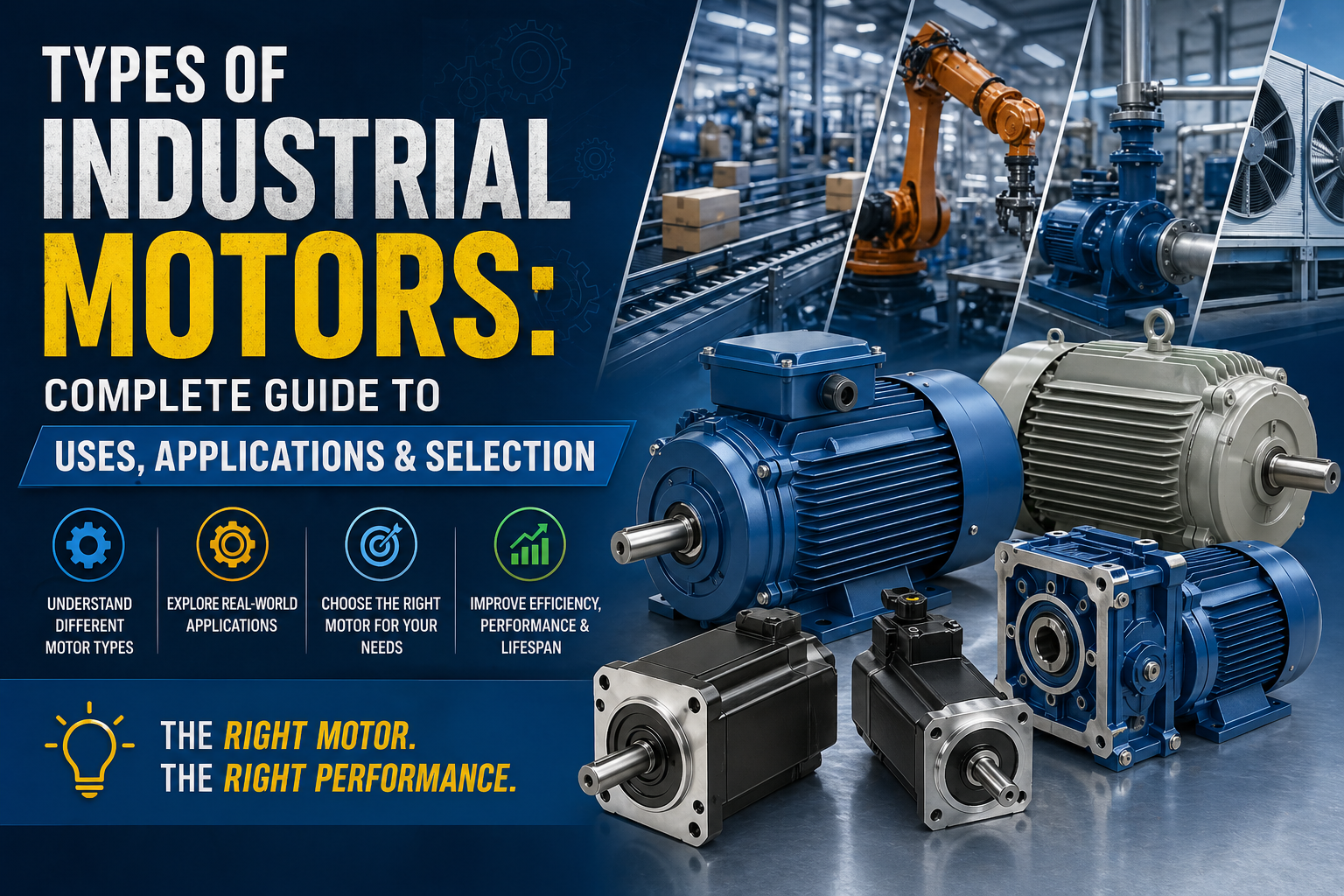
The appropriate crane duty motor depends on the application, load characteristics, required starting torque and level of speed control. The main types used in material handling applications include brake motors, slip ring motors and squirrel cage motors.
For available products and specifications, you can also explore Nextork’s crane duty motor range.
Crane Duty Brake Motor
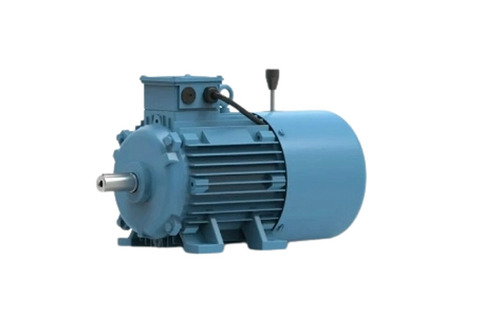
The crane duty brake motor combines a motor with an electromagnetic or mechanical braking system. This arrangement is useful for hoisting and lifting applications where controlled and secure stopping of the load is required.
When power is removed, the brake engages to help stop and hold the load. Brake motors are commonly used in hoists and crane applications where reliable stopping and positioning are important.
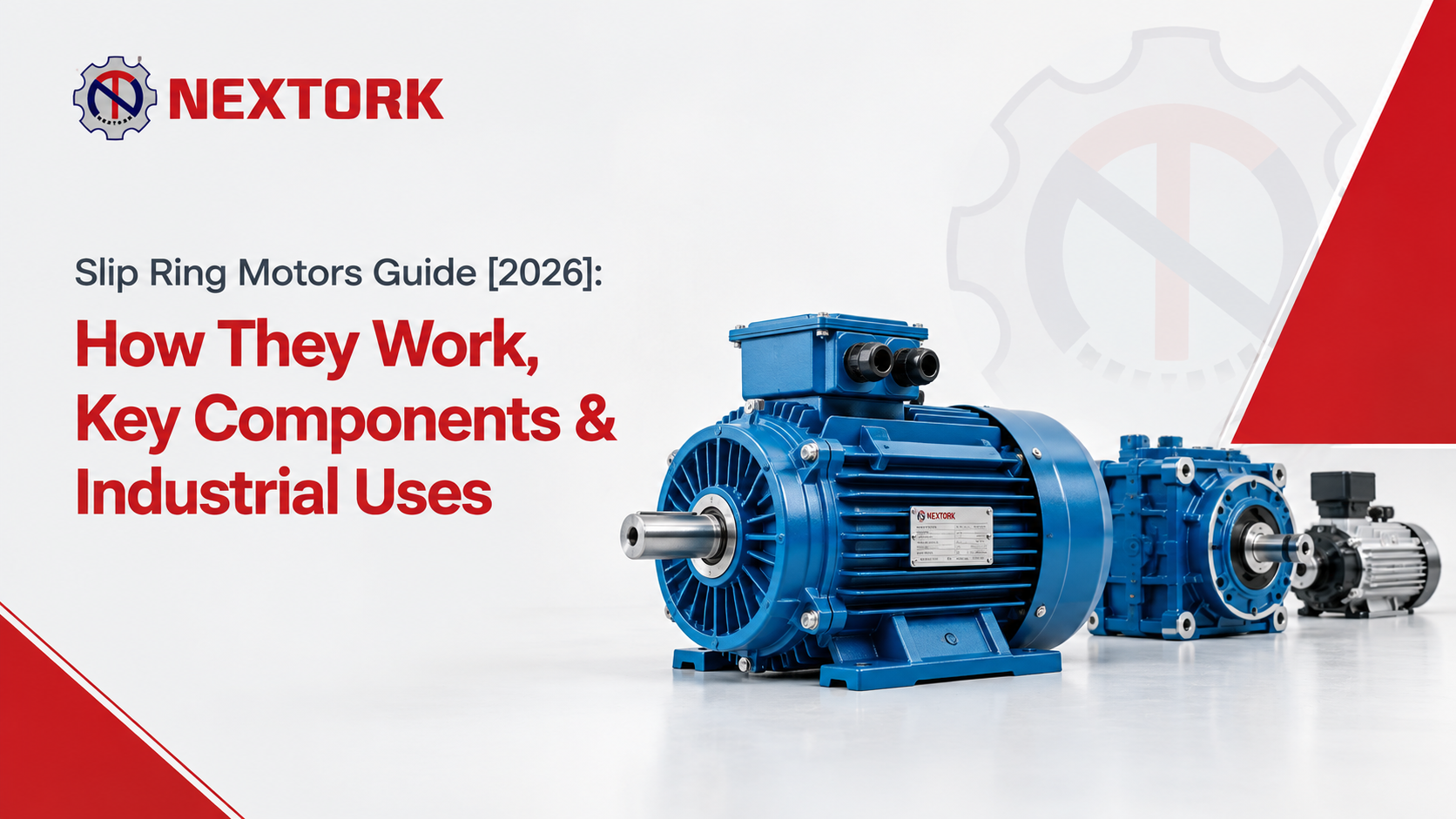
Crane Duty Slip Ring Motor
The crane duty slip ring motor provides high starting torque and additional control during acceleration. External resistance can be connected to the rotor circuit through slip rings, allowing the starting characteristics of the motor to be controlled.
Slip ring motors are particularly relevant to heavy-duty applications where high starting torque and controlled acceleration are required, including large cranes and demanding lifting systems.
Squirrel Cage Crane Duty Motor
The squirrel cage crane duty motor is valued for its relatively simple construction, ruggedness and lower maintenance requirements. It can be used for crane applications such as trolley and long travel drives.
Modern squirrel cage motors can also be combined with VFD (Variable Frequency Drive) technology where variable speed and controlled acceleration are required.
Duty Cycles and Performance Ratings Explained (S1–S5)
The duty cycle is one of the most important factors when selecting an industrial motor. It describes the operating pattern of the motor, including running time, rest periods, starting and braking conditions.
IEC 60034-1 defines motor duty types from S1 through S10.
For cranes and material handling equipment, the relevant intermittent duty cycles include:
- S3 (Intermittent Periodic Duty): A sequence of identical operating cycles consisting of a period of constant-load operation followed by a period of rest.
- S4 (Intermittent Periodic Duty with Starting): Similar to S3, but starting current and its effect on temperature rise are taken into account. This is commonly relevant to hoisting applications.
- S5 (Intermittent Periodic Duty with Electric Braking): Similar to S4, but includes electric braking during the operating cycle.
| IEC Duty Cycle | Description | Typical Application |
|---|---|---|
| S1 | Continuous Duty | Standard, constant-load machinery |
| S3 | Intermittent Periodic Duty | Light crane drives, small hoists |
| S4 | Intermittent with Starting | Hoist drives, frequent start-stop applications |
| S5 | Intermittent with Electric Braking | Applications involving frequent starting and electric braking |
Motor thermal capacity is also an important consideration. Crane duty motors may use insulation systems such as Class F or Class H depending on the required operating conditions and temperature limits.
Applications of Crane Duty Motors
- EOT crane applications: Used for hoisting, cross travel and long travel movements in overhead crane systems.
- Hoists and winches: Used for controlled lifting and lowering operations in construction and industrial environments.
- Foundries and steel plants: Used in demanding environments for handling heavy materials and loads.
- Construction and port cranes: Used for lifting, positioning and material handling operations.
- Material handling systems: Used in applications involving conveyors, transfer systems and other industrial material handling equipment.
- Mining equipment: Used in lifting and heavy material handling applications where high torque and intermittent operation are required.
Key Features & Advantages of Crane Duty Motors
- High Starting Torque: Crane duty motors are designed to provide the starting torque required to move heavy loads from rest.
- Frequent Start-Stop Operation: Their construction is designed to withstand repeated starting, stopping and reversing cycles.
- Rugged Construction: Robust motor construction helps withstand vibration, mechanical stress and demanding industrial operating conditions.
- Thermal Management: Suitable insulation and cooling arrangements help manage heat generated during intermittent and frequent-cycle operation.
- Efficiency: Depending on the motor design and application, efficient motor options can help reduce energy consumption during operation.
- Braking Options: Brake motor configurations can provide controlled stopping and load holding where the application requires it.
How to Select the Right Crane Duty Motor
Selecting the right crane duty motor requires more than simply matching the motor’s power rating to the load. The operating cycle, starting requirements, braking arrangement, environment and installation conditions should also be considered.
- Load Characteristics and Duty Cycle: Determine the load weight, operating pattern and required acceleration and deceleration to establish the appropriate duty cycle.
- Power and Torque: Determine the required motor power, speed and starting torque based on the load and mechanical system.
- Braking Requirement: Determine whether the application requires a motor with an integrated brake or a separate braking arrangement.
- Environment and Protection: Consider factors such as dust, moisture, temperature and installation conditions when determining the appropriate motor construction and protection requirements.
- Mounting and Installation: Check the required mounting arrangement, shaft configuration, available installation space and compatibility with the existing equipment.
Looking for a Crane Duty Motor for Your Application?
Choosing the right crane duty motor depends on factors such as load, power, speed, duty cycle, starting torque, braking requirements and operating environment.
If you are selecting a motor for an EOT crane, hoist, trolley, long travel system or another material handling application, you can review the available options or contact the Nextork team with your application requirements.
Maintenance & Best Practices
- Periodic Inspection: Regularly check mounting bolts, couplings and wiring for looseness, wear or vibration-related damage.
- Lubrication: Follow the motor manufacturer’s recommendations for bearing lubrication and maintenance intervals.
- Insulation Checks: Periodically inspect winding insulation to identify potential electrical problems before failure occurs.
- Overheating Prevention: Keep cooling surfaces clean and unobstructed, particularly on motors operating under frequent start-stop conditions.
- Brake Servicing: For brake motors, regularly inspect the brake mechanism, air gap and operating condition according to the manufacturer’s maintenance instructions.
Why Choose Nextork for Crane Duty Motors?
When lifting equipment depends on reliable motor performance, the motor needs to match the application’s load, duty cycle and operating conditions.
Nextork supplies crane duty motor solutions for industrial and material handling applications, including crane, hoist and lifting requirements. The available range includes different motor configurations for applications requiring high starting torque, frequent operation and controlled movement.
If you already know the required motor specifications, you can view the crane duty motor range. If you are still determining the appropriate motor for your application, you can contact the Nextork team with your requirements.
Conclusion
Crane duty motors are designed for the demanding operating conditions found in cranes, hoists and other heavy-duty material handling systems. Their ability to handle high starting torque, frequent start-stop cycles and intermittent duty makes them suitable for applications where conventional motors may not meet the required operating conditions.
The appropriate motor depends on factors such as load, power, torque, duty cycle, braking requirements, speed and operating environment. Reviewing these requirements before selecting a motor can help ensure that the motor is suitable for the application.
Looking for a crane duty motor for your application? Explore Nextork’s crane duty motor range or send your requirement to the Nextork team.
Frequently Asked Questions (FAQs)
1. What are Crane Duty Motors used for?
Crane duty motors are designed for material handling equipment such as EOT cranes, hoists, winches and lifting systems. They are designed to handle frequent starting and stopping, high starting torque and intermittent operating conditions.
2. What is the difference between a Crane Duty Motor and a Standard Motor?
Standard motors are commonly designed for continuous operation under relatively stable loads, while crane duty motors are designed for intermittent operation involving frequent starting, stopping, reversing and load variations. Crane duty motors are therefore suited to cranes, hoists and other lifting applications with demanding operating cycles.
3. What are the main types of Crane Duty Motors?
The main types include crane duty brake motors, crane duty slip ring motors and squirrel cage crane duty motors. Brake motors provide integrated braking, slip ring motors can provide high starting torque and controlled acceleration, and squirrel cage motors are valued for their rugged and relatively simple construction.
4. How do I select the right Crane Duty Motor for my application?
Consider the load, required power and torque, duty cycle, starting requirements, braking arrangement, speed, mounting configuration and operating environment. If the requirements are not yet defined, you can review the Nextork crane duty motor range or contact the team for assistance with your application requirements.
5. How often should Crane Duty Motors be maintained?
Maintenance frequency depends on the motor design, operating conditions and manufacturer’s recommendations. Regular inspection of bearings, electrical connections, insulation, cooling surfaces and braking mechanisms can help identify wear or operating problems before they lead to failure.