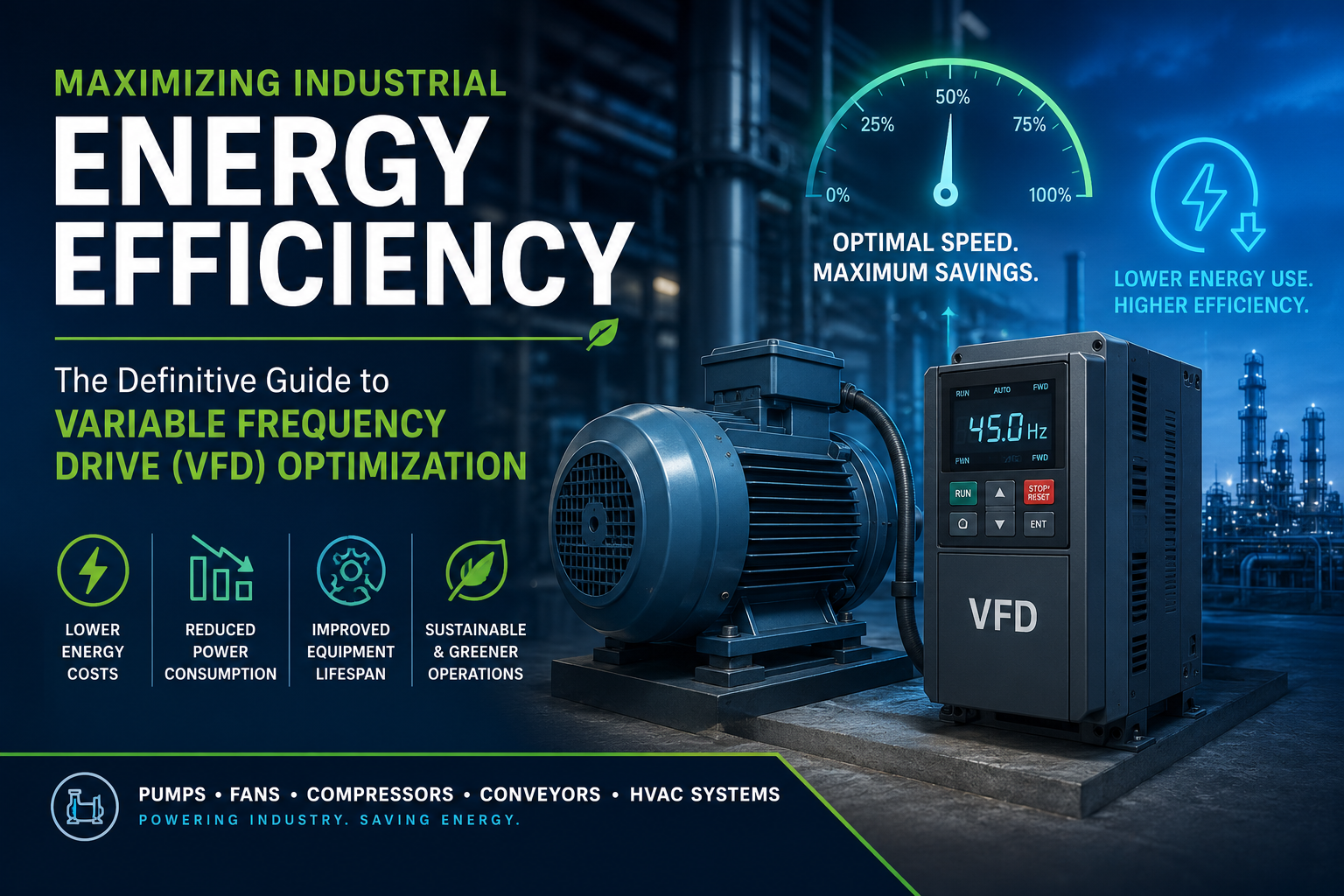
In today’s competitive industrial landscape, factories and plants worldwide face a dual challenge: lowering soaring operational costs while achieving strict sustainable manufacturing targets. At the heart of this challenge lies a massive power hog—industrial energy consumption driven by heavy machinery.
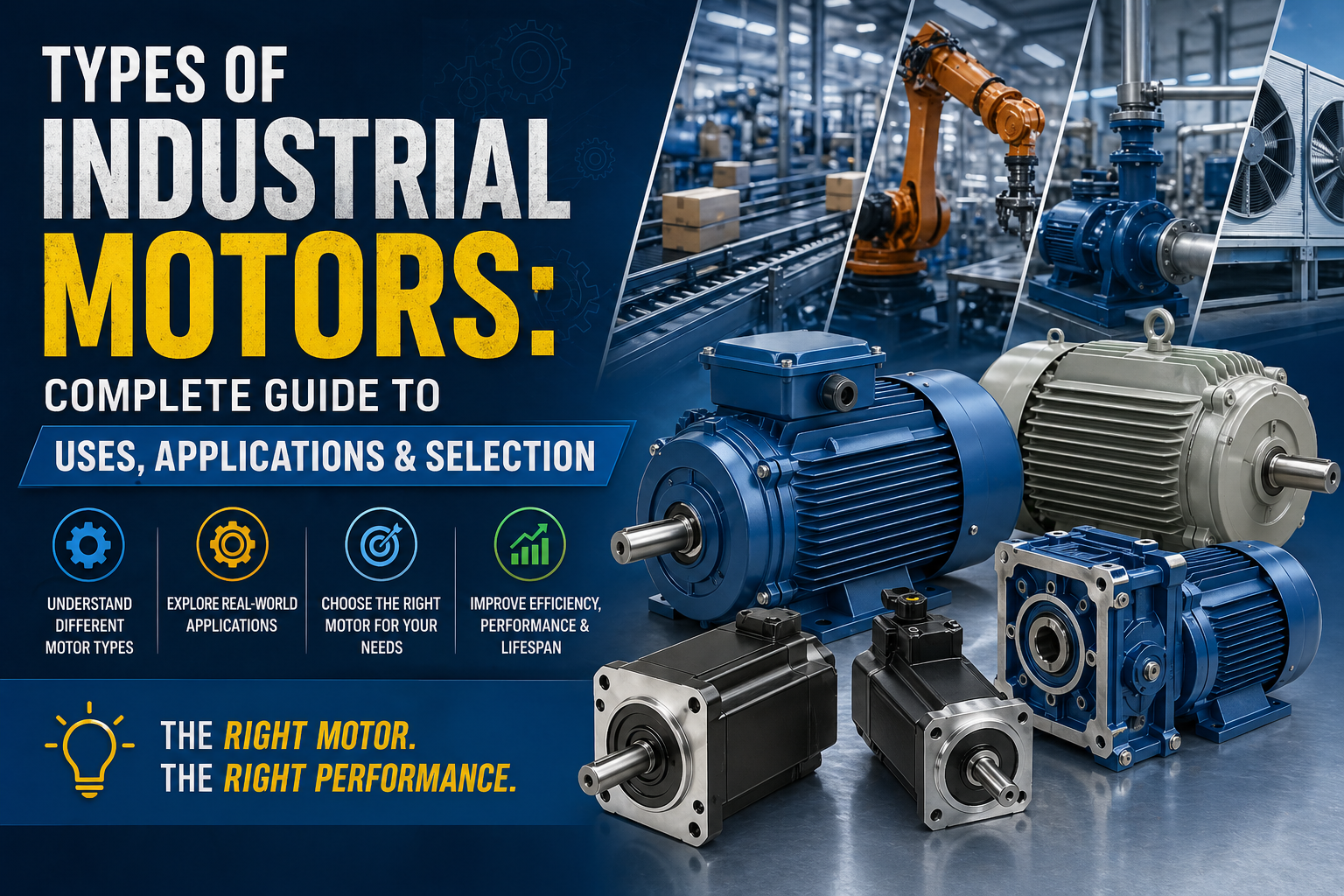
Industrial motors are the workhorses of modern production, powering everything from massive assembly lines to fluid systems. However, they also consume a staggering share of electrical energy. In typical facilities, the vast majority of motor-driven electricity goes toward running:
- Pumps and fluid circulation setups
- Fans and cooling arrays
- Compressors for pneumatic systems
- Conveyors in material handling lines
- HVAC systems regulating plant environments
Historically, these motors ran at a single, fixed maximum speed—regardless of whether the process needed 100% output or just 40%. This rigid approach leads to massive electrical waste. To combat this, Variable Frequency Drives (VFDs) have emerged as a critical technology for energy optimization.
By matching motor output directly to real-time workload demand, VFDs allow engineering teams to drastically reduce power consumption, elevate electric motor efficiency, and significantly lower utility bills.
In this comprehensive guide, we will break down exactly how VFDs operate, how they drive mechanical efficiency, and how you can apply them to elevate your facility’s bottom line.
What Is a Variable Frequency Drive (VFD)?
A Variable Frequency Drive (VFD)—also commonly referred to as a variable speed drive—is an advanced industrial electronic device used to regulate the speed, torque, and overall power supply frequency of an AC induction motor.
In standard direct-on-line (DOL) setups, industrial motors run continuously at full synchronous speed, using throttling valves or mechanical dampers to choke down output when less flow is needed. This is the industrial equivalent of driving a car with the gas pedal completely floored while using the brakes to control your speed.
A VFD replaces this wasteful approach. By integrating seamlessly into your industrial automation network, the drive constantly reads system feedback (like pressure, temperature, or flow rate) and adjusts the motor speed control parameters dynamically. This ensures the motor draws only the precise amount of energy required for the task at hand.
Why Energy Efficiency Matters in Industrial Operations
For heavy manufacturing, automotive plants, and processing facilities, energy is no longer a fixed overhead cost—it is a direct variable affecting profitability. Excessive, unoptimized industrial energy consumption creates a cascading chain of operational failures:
- Inflated Operational Costs: Skyrocketing peak demand surcharges and rising base electricity rates erode product margins.
- Accelerated Heat Generation: Fixed-speed motors operating under choked conditions dissipate wasted energy as heat, raising ambient temperatures and putting strain on sub-station components.
- Component Stress: Abrupt across-the-line starts subject downstream industrial machinery to severe mechanical shock.
- Regulatory Compliance Penalties: Stricter carbon emission mandates penalize plants that fail to hit strict electrical efficiency benchmarks.
Adopting energy-efficient equipment is no longer just a checkbox for corporate green initiatives; it is a critical strategy for energy cost reduction, minimizing unscheduled downtime, and maximizing asset longevity.
How Variable Frequency Drives Save Energy
The physics behind how a VFD lowers power consumption reveals incredible cost-saving potential. To understand the true value of variable frequency drive efficiency, we need to examine the mechanical and electrical shifts that happen when you implement smart speed control.
Motor Speed Control Based on Demand
VFDs replace static mechanical regulators with real-time motor speed control. Instead of running a centrifugal pump at 100% speed while mechanically throttling the fluid output, the VFD slows the motor down to match the exact flow required by the production line.
In fluid and air handling systems, this relationship is governed by the Affinity Laws. These laws state that the power consumed by a centrifugal pump or fan is proportional to the cube of its shaft speed:
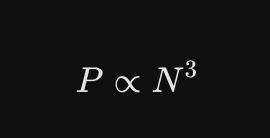
Where P is power and N is motor speed. Because of this cubic relationship, reducing a fan or pump’s speed by just 20% can cut the required power consumption by up to 50%.
Reduced Power Consumption
Most industrial motors are sized for worst-case, peak-load scenarios that only occur a small fraction of the time. Running these motors at full throttle during normal operating hours creates massive electrical waste. By lowering the operational frequency (Hz) supplied to the motor during off-peak windows, a VFD directly reduces the overall electrical load, yielding immediate vfd energy savings reflected on your facility’s monthly utility bills.
Improved Motor Efficiency
When an induction motor runs far below its rated capacity without a drive, its power factor drops significantly, causing poor electric motor efficiency and high inductive energy losses. VFDs mitigate this by maintaining an optimal voltage-to-frequency ($V/Hz$) ratio across the motor’s entire operating range, ensuring high industrial motor energy efficiency even under partial load conditions.
Reduced Mechanical Stress
Traditional line starting creates a massive inrush current—often 6 to 8 times the motor’s normal running current—causing rapid heat buildup and voltage drops. VFDs act as a protective barrier, ramping the motor up smoothly along a controlled acceleration curve. This eliminates sudden torques, limits mechanical shock on gearboxes and couplings, and improves overall operational efficiency.
Variable Frequency Drive Benefits for Industrial Applications
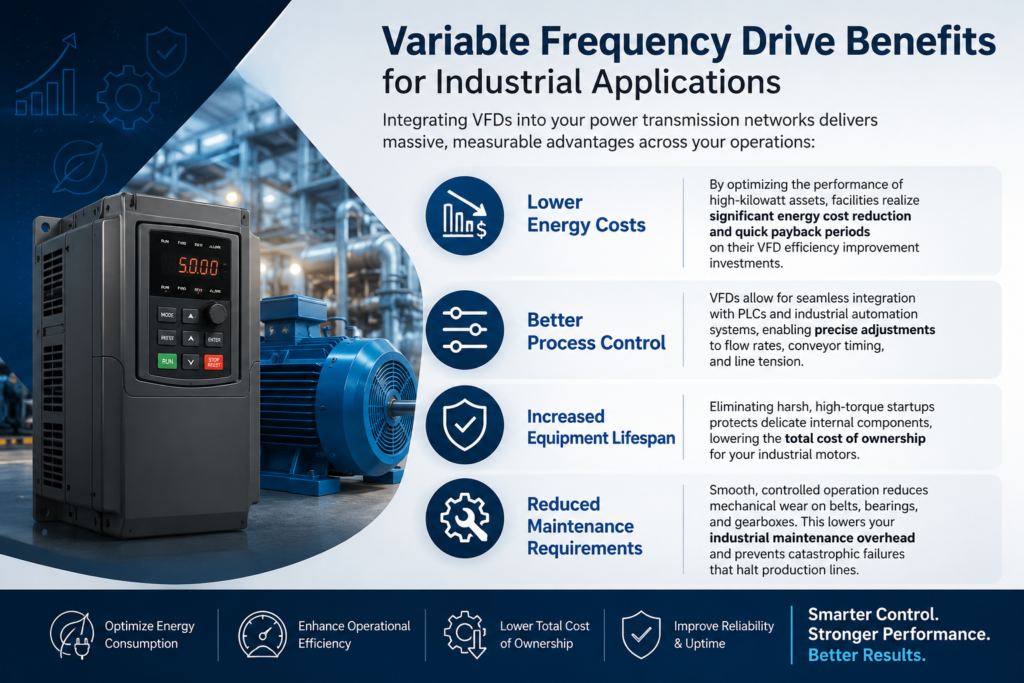
Integrating VFDs into your power transmission networks delivers massive, measurable advantages across your operations:
- Lower Energy Costs: By optimizing the performance of high-kilowatt assets, facilities realize significant energy cost reduction and quick payback periods on their vfd efficiency improvement investments.
- Better Process Control: VFDs allow for seamless integration with PLCs and industrial automation systems, enabling precise adjustments to flow rates, conveyor timing, and line tension.
- Increased Equipment Lifespan: Eliminating harsh, high-torque startups protects delicate internal components, lowering the total cost of ownership for your industrial motors.
- Reduced Maintenance Requirements: Smooth, controlled operation reduces mechanical wear on belts, bearings, and gearboxes. This lowers your industrial maintenance overhead and prevents catastrophic failures that halt production lines.
Industrial Applications of Variable Frequency Drives
Any industrial environment relying heavily on automated movement or fluid dynamics can benefit from VFD integration. Continuous-duty applications see the fastest return on investment:
| Application Type | Primary Dynamic Load Component | Core VFD Function |
|---|---|---|
| HVAC Systems | Centrifugal supply/exhaust fans, chillers | Varies airflow based on building occupancy and temperature sensors. |
| Pumps & Compressors | Centrifugal & positive displacement pumps | Maintains constant pipeline pressure; eliminates water hammer effects. |
| Conveyors & Material Handling | Geared motors, transport lines | Matches line speed across multi-motor setups to prevent bottlenecks. |
| Industrial Machinery | Extruders, mixers, winders | Delivers high starting torque and precise speed control for varied materials. |
VFDs vs. Soft Starters: What’s the Difference?
A frequent point of confusion during factory retrofits is choosing between a VFD and a electronic soft starter. While both modify motor starting behavior, their long-term operational impact varies greatly.
- Soft Starters: Designed exclusively to limit the high inrush current and torque associated with initial motor startup. Once the motor hits full running speed, the soft starter is bypassed, and the motor runs directly off the line at a fixed speed. It cannot alter operational velocity or save energy during the main production cycle.
Variable Speed Drives (VFDs): Provide the same smooth starting advantages as a soft starter, but maintain complete control over motor speed control throughout the entire operating cycle. If your process requires variable output, a VFD is necessary to capture true operational savings.
Decision Rule: Choose a soft starter if your system only runs at a single, unchanging speed and you simply need to eliminate mechanical wear during startup. Choose a VFD if your application features fluctuating demand and you want to reduce ongoing energy use.
Common Mistakes When Using Variable Frequency Drives
Even the highest-quality drive can fail to deliver expected savings if it is installed or configured poorly. Watch out for these common implementation errors:
- Incorrect Motor Sizing: Specifying a VFD based solely on nominal horse-power without analyzing actual peak torque and load profiles can lead to frequent overcurrent tripping.
- Ignoring Harmonic Distortion: VFDs can introduce non-linear harmonic distortion back into your plant’s electrical grid. Failing to install proper line reactors or harmonic filters can cause sensitive electronics nearby to malfunction.
- Improper Parameter Configurations: Leaving a drive on its generic factory default settings instead of fine-tuning acceleration curves, deceleration times, and $V/Hz$ profiles limits potential process optimization.
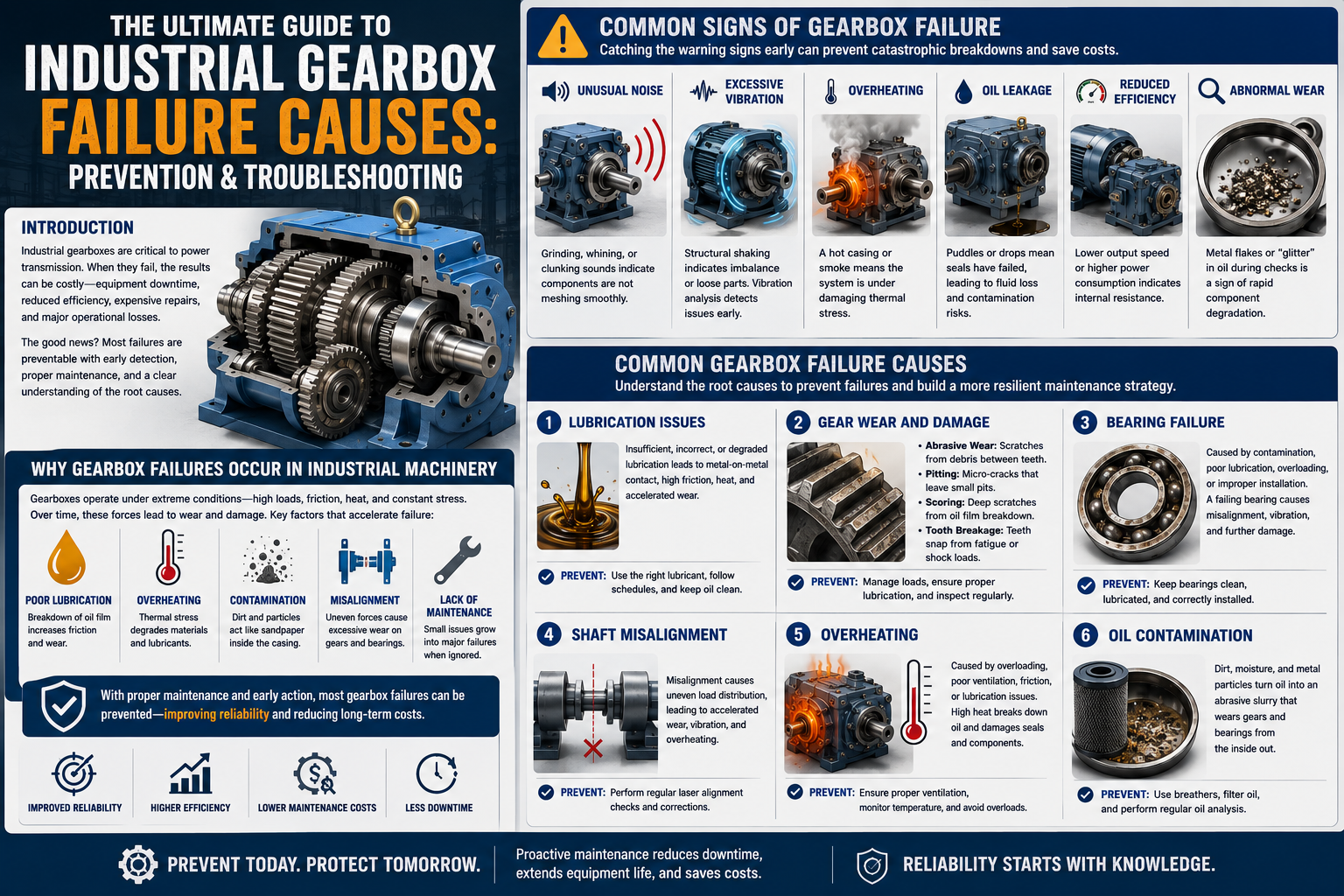
- Neglecting the Cooling Infrastructure: VFD internal components generate localized heat. Placing them in unventilated, dusty, or sealed enclosures without adequate heat dissipation shortens their operating life.
Best Practices to Improve VFD Efficiency
To extract maximum performance and value out of your VFD deployment, integrate these core steps into your standard operating procedures:
- Implement a Predictive Maintenance Schedule: Periodically check internal cooling fans, clean heatsinks to clear dust buildup, and inspect terminal connections for tight torque specifications.
- Match the Motor and Drive Correctly: Pair your drive with inverter-duty rated industrial motors featuring Class H insulation to prevent winding degradation caused by high-voltage spikes ($dV/dt$).
- Actively Monitor Energy Metrics: Connect your VFDs to central energy monitoring systems to track power consumption trends and proactively flag shifting motor load management loads before breakdowns occur.
- Optimize the VFD Sleep Modes: Configure the drive to enter a low-power “sleep” mode during prolonged periods of zero demand, entirely cutting idle energy draw.
Final Thoughts
Deploying Variable Frequency Drive (VFD) efficiency strategies is one of the most reliable methods for cutting industrial energy waste and lowering overhead costs. By replacing outdated mechanical controls with precise, dynamic automation, plants can optimize industrial motors, protect valuable assets, and make real progress toward sustainable manufacturing goals.
For industrial engineers, choosing high-performance energy-efficient equipment is only the first step. Partnering with a comprehensive technical supplier ensures you get the exact mechanical and electrical components needed for smooth integration.
At Nextork Transmission, our team brings over 25 years of engineering experience, offering standard, flame-proof, and custom break-duty motor solutions alongside precision gearboxes. We consolidate your entire power transmission and automation footprint under one roof, ensuring your system runs reliably and efficiently
Frequently Asked Questions
1. How do Variable Frequency Drives save energy?
VFDs save energy by adjusting the input frequency and voltage to control motor speed based on actual system demand. Instead of running a motor continuously at 100% speed and using mechanical valves to throttle output, the VFD slows the motor down. In applications like centrifugal fans and pumps, reducing the motor speed by even a small margin cuts power consumption exponentially due to the Affinity Laws.
2. What are the benefits of Variable Frequency Drives?
The core variable frequency drive benefits include significant reductions in power consumption, lower monthly electricity costs, and highly precise process control. Additionally, VFDs limit heavy inrush currents during startup, which reduces mechanical wear, extends equipment life, and cuts downtime.
3. Where are VFDs commonly used?
VFDs are deployed extensively across industrial automation sectors. Common applications include HVAC systems, centrifugal water pumps, air compressors, industrial fans, material handling conveyors, and heavy machinery lines where production demands change frequently throughout the day.
4. Do VFDs reduce electricity costs?
Yes. By aligning a motor’s power consumption with its actual operational load, VFDs eliminate electricity waste. This direct drop in kilowatt-hour usage—combined with lower peak-demand utility surcharges—leads to substantial long-term savings.
5. What is the difference between a VFD and a soft starter?
A soft starter only controls the voltage during the initial startup phase to reduce mechanical wear and startup current spikes. Once running, the motor locks into full line speed. A VFD controls motor speed continuously throughout the entire running cycle, offering both smooth startup protection and long-term speed adjustments for energy savings.
6. How can industries improve VFD efficiency?
Efficiency can be optimized by setting up routine industrial maintenance to keep heatsinks clean, ensuring accurate parameter tuning for specific load types, selecting high-quality inverter-duty motors, and using built-in sleep modes to power down the system when production lines stall.