In any industrial setting, movement is usually the primary goal. However, the ability to stop that movement safely and accurately is just as vital. This is the fundamental job of an electric motor brake. Without a reliable way to halt a spinning shaft, machinery would rely on natural friction to coast to a stop, which is neither safe nor efficient. An electric motor brake system provides the necessary control to ensure that equipment stays exactly where it needs to be when the power goes out or when a process ends.
These systems are the backbone of modern automation. From massive cranes at shipping ports to the small conveyor belts in a food processing plant, motor braking mechanisms are everywhere. They prevent heavy loads from slipping and ensure that high-speed robots stop on a dime. In this guide, we will break down how these systems work, why they matter, and how to pick the right one for your specific needs.
What Is an Electric Motor Brake and How It Works
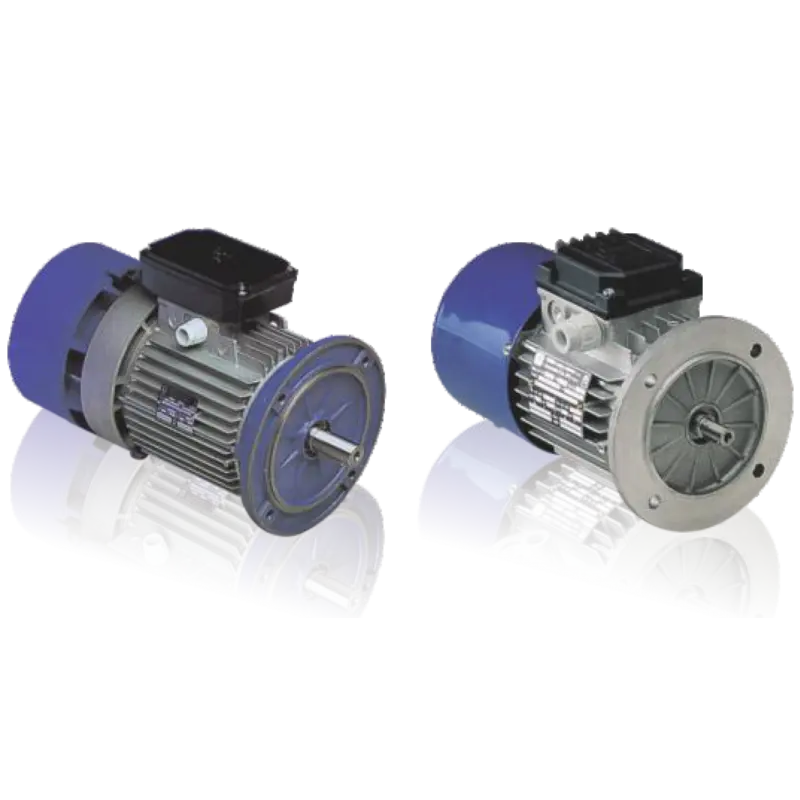
At its simplest, an electric motor brake system is a device that uses friction to stop a motor shaft. Most industrial setups use electromagnetic brake motors, which rely on a combination of electricity and mechanical force. The magic happens through a constant “tug-of-war” between a magnetic field and a set of heavy-duty springs.
When the motor is running, electricity flows through a coil inside the brake. This creates a magnetic field that pulls a metal plate, known as the armature, away from the friction disc. This allows the motor shaft to spin freely. As soon as the power is cut, the magnetic field disappears. Without that magnetic pull, the internal springs take over and slam the armature against the friction disc. This creates the motor stopping torque required to bring everything to a standstill.
This design is a key part of most motor braking mechanisms because it defaults to a “stopped” state. If there is a power failure, the brake engages automatically. This provides a physical lock on the machinery, ensuring that gravity or momentum does not cause a dangerous accident.
Types of Electric Motor Brake Systems
Not every machine requires the same kind of stopping power. Different environments and power sources demand different electric motor brake types. Understanding these variations helps in selecting a system that balances performance with cost-effectiveness.
1. AC Brake Motors
AC brake motors are a standard choice for many general industrial applications. These units run on alternating current and are valued for their simplicity. They can often be wired directly to the motor terminal box, making installation straightforward. While they provide a very fast response, they can be a bit noisier during operation. They are best suited for machines that do not require an extremely high number of starts and stops every minute, such as simple pumps or fans.
2. DC Brake Motor Systems
When you need a smoother and quieter operation, DC brake motor systems are the go-to solution. These systems use a small device called a rectifier to turn AC power into DC for the brake coil. The advantage here is control. DC brakes offer a softer engagement, which reduces the mechanical “jerk” when the machine stops. This is perfect for delicate high-speed packaging lines or applications where repetitive, hard stops would cause premature wear on the machine frame.
3 Fail-Safe Brake Motors
Safety-critical environments rely heavily on fail-safe brake motors. The term “fail-safe” means that the brake is applied by default whenever power is lost. Whether it is an intentional stop or an emergency power outage, the spring-loaded mechanism ensures the load is held securely. These are mandatory in any scenario where a free-spinning motor could lead to a catastrophe, such as in passenger elevators, medical equipment, or overhead lifting hoists.
Key Electric Motor Brake Parts and Components
To understand why a brake works, you have to look at the individual electric motor brake parts. An electric motor brake system is a precision-engineered assembly where every piece has a specific role in generating motor stopping torque.
The main components in most electromagnetic brake motors include:
- The Brake Coil: An electrical winding that creates the magnetic field to release the brake.
- The Armature Plate: A movable metal disc that reacts to the magnetic field.
- The Friction Disc: Often called the brake lining, this part is keyed to the motor shaft and provides the actual stopping surface.
- The Springs: These provide the mechanical force that pushes the armature against the friction disc when the electricity is turned off.
- The Hub: This connects the friction disc to the motor shaft.
- Manual Release: A lever or bolt that allows a technician to manually release the brake during maintenance or a power outage.
Each of these parts must be in good condition for the system to function. If the friction disc wears down too much, the brake might slip. If the springs weaken, the stopping time will increase.
Brake Motor Mounting Types and Design Variations
How the brake is physically attached to the motor depends on the available space and the machine’s design. Different brake motor mounting types allow engineers to fit these systems into tight spaces while maintaining easy access for maintenance. These configurations ensure that the brake motor features and benefits are fully utilized.
Common mounting styles include:
- Foot-mounted: The motor sits on “feet” that are bolted to a base. This is the most common style for heavy-duty industrial equipment.
- Flange-mounted: The motor is bolted to the machine via a circular flange on the end-shield. This is often seen in gearboxes.
- Face-mounted: Similar to flange-mounting, but the bolts go directly into the face of the motor.
- Integrated Inline: In some compact designs, the electric motor brake is built entirely inside the motor housing. This protects the brake components from dust and moisture, making it ideal for harsh environments.
Industrial Applications of Electric Motors Brakes
The use of an electric motor brake is common across almost every sector of manufacturing. When we look at brake motor industrial applications, we see a consistent need for safety and precision.
In cranes and hoists, the brake is the only thing standing between a heavy load and the floor. When the operator stops the lift, the brake must hold the weight indefinitely. Here, the motor stopping torque must be significantly higher than the weight being lifted to ensure a safety margin.
In conveyor systems, industrial brake motor uses focus on preventing “coasting.” If a belt is moving heavy boxes and needs to stop for a labeler, it cannot drift forward. The brake ensures the box stops at the exact sensor location every single time.
Elevators are another prime example. Every time you step into an elevator, an electric motor brake system is holding the cabin level with the floor. Without it, the cabin could shift as people get on and off, creating a major tripping hazard. You will also find these brakes in automated car washes, theater stage equipment, and massive printing presses, where timing and positioning are everything.
Benefits of Using Electric Motor Brakes Systems
Choosing a motor with a built-in brake offers more than just safety. The brake motor features and benefits extend to the overall health of your machinery.
First, an electric motor brake system provides “holding torque.” Most motors have no way of staying still once the power is off; they can be turned by hand or by the weight of the load. The brake locks them in place. Second, it reduces the wear and tear on other mechanical components. Instead of using gears or the motor windings to force a stop, the friction disc takes the heat and the stress. This is much cheaper to replace than a custom gearbox. Finally, it increases productivity. By reducing the time it takes for a machine to stop, you can speed up the overall cycle time of your production line.
How to Choose the Right Electric Motor Brakes for Your Application
Choosing the right electric motor brake is a balance of physics and environment. You cannot just pick any brake and expect it to work forever. You must consider several technical factors.
Start by calculating the required motor stopping torque. This depends on the inertia of your load and how quickly you need it to stop. A heavy steel roller needs a much stronger brake than a plastic pulley. You also need to look at the duty cycle. If the electric motor brake is engaging 60 times an hour, it will get very hot. You may need a heavy-duty model or one with extra cooling.
The environment is another major factor. Is the motor in a dusty sawmill or a wet food-processing plant? You might need a specific brake motor mounting types with a high IP rating to keep contaminants out of the brake parts. Lastly, verify your power source. Ensure your control panel can provide the necessary AC or DC voltage to trigger the brake coil reliably.
Choosing Reliable Electric Motor Brakes Suppliers
When your production line or the safety of your workers is on the line, you need to trust your electric motor brakes suppliers. A good supplier does not just move boxes; they provide engineering support.
Look for a supplier that understands the “system” approach. At Nextork, we know that a brake is only as good as the motor it is attached to and the application it serves. With over 25 years of experience, our team of technocrats helps customers consolidate their needs under one roof. Contact us now and choose the right reliable electric motor brakes that suits your needs
A reliable supplier should offer customization. Sometimes a standard off-the-shelf brake does not fit your mounting requirements or torque needs. You need a partner who can provide tailored solutions. Always ask about their testing processes and whether their products meet international safety standards. After-sales support is equally important, as you will eventually need replacement friction discs or coils to keep your electric motor brake system running at peak performance.
Conclusion
An electric motor brake is a small component that plays a massive role in industrial success. By providing a reliable way to stop and hold loads, the electric motor brake system protects people, products, and profits. Whether you are using AC brake motors for a simple fan or a high-precision DC brake motor system for a robotic arm, the goal remains the same: total control.
Selecting the right type, maintaining the internal parts, and working with expert electric motor brakes suppliers are the keys to long-term reliability. When you invest in a quality braking solution, you are investing in the safety and efficiency of your entire operation.
Frequently Asked Questions (FAQs)
1. What is the main purpose of an electric motor brakes?
The primary purpose of an electric motor brake system is to stop a motor shaft quickly and safely and to hold a load in place once motion has ceased. It prevents “coasting,” where a machine continues to move due to inertia after the power is turned off, which is essential for both safety and precision in industrial applications.
2. How does an electromagnetic brake work?
Most industrial brakes use a “spring-set” mechanism. When the motor is running, an electromagnetic coil creates a magnetic field that pulls the brake’s armature plate away from the friction disc, allowing the shaft to spin. When power is cut, the magnetic field collapses, and heavy-duty springs force the armature against the friction disc to create stopping torque.
3. What is a “fail-safe” brake motor?
A fail-safe brake is designed to engage automatically whenever power is lost. Because it relies on mechanical springs to apply the braking force rather than electricity, it ensures that a load (like an elevator or a crane hoist) is held securely even during an emergency power outage.
4. What is the difference between AC and DC brake motors?
- AC Brake Motors: These are simpler to wire (often directly to the motor terminal) and offer very fast response times. They are common in general industrial uses but can be noisier.
- DC Brake Motors: These require a rectifier to convert AC to DC power. They offer smoother, quieter engagement and less mechanical “jerk,” making them ideal for high-speed or delicate packaging machinery.
5. Can I manually release an electric motor brake?
Yes, most electric motor brake systems come equipped with a manual release lever or bolt. This allows technicians to manually disengage the brake to move machinery during maintenance or in the event of a total power failure where the load needs to be lowered safely.